
Sungkai Wood (2026): Properties, Durability & Best Uses Explained
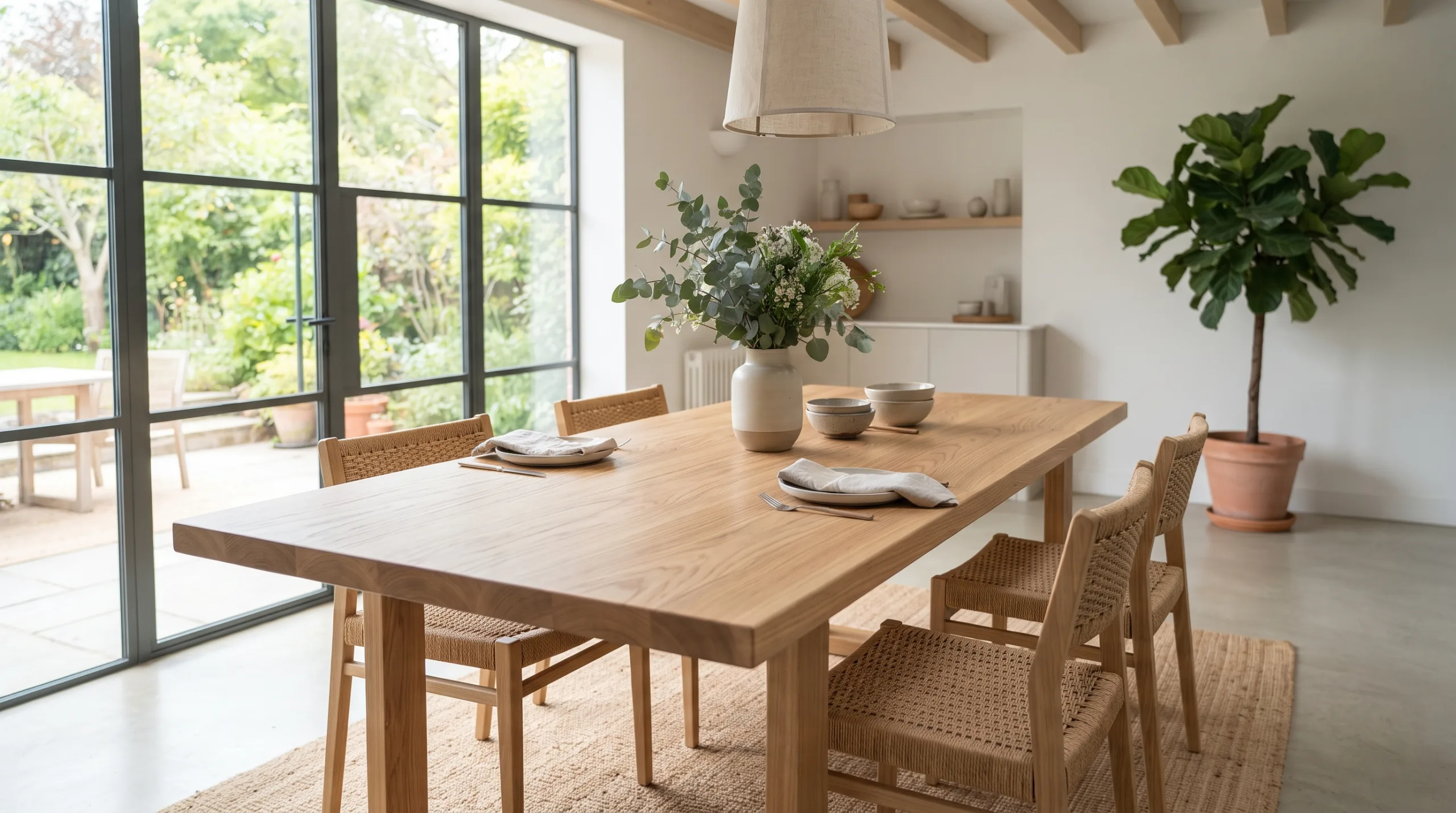
When you’re sourcing hardwood furniture from Indonesia, one name keeps coming up in supplier conversations: sungkai wood. It is not the famous teak. It is not the versatile mindi. But it might be the smartest budget option for the right project — and it is rarely explained honestly. That is exactly why we wrote this sungkai wood guide: so buyers can decide with facts, not supplier stories.
This guide gives you the straight technical picture from an Indonesian furniture manufacturer that has built sungkai pieces for buyers who asked for them. No glossy claims, no inflated durability ratings — just the sungkai wood properties that matter, the honest limits, and where sungkai actually earns its place in furniture manufacturing.
What Is Sungkai Wood?
Sungkai wood comes from the tree Peronema canescens, a hardwood species native to Southeast Asia and widely grown across Indonesia — Sumatra, Java, Kalimantan, and Sulawesi. In local trade it is sometimes called jati sabrang or ki teak because its grain resembles mindi — fine, pale, and easy to finish — at a lower price point, though botanically it is a completely different species from teak.
Origin & aliases
The name jati sabrang — sometimes used in the timber trade — signals how Indonesian buyers historically positioned it: as an accessible alternative to teak for decorative and furniture work. The tree grows relatively fast for a hardwood and produces workable timber in commercial volumes, which is why it appears in both plantation and community forestry stock across the country.
Appearance
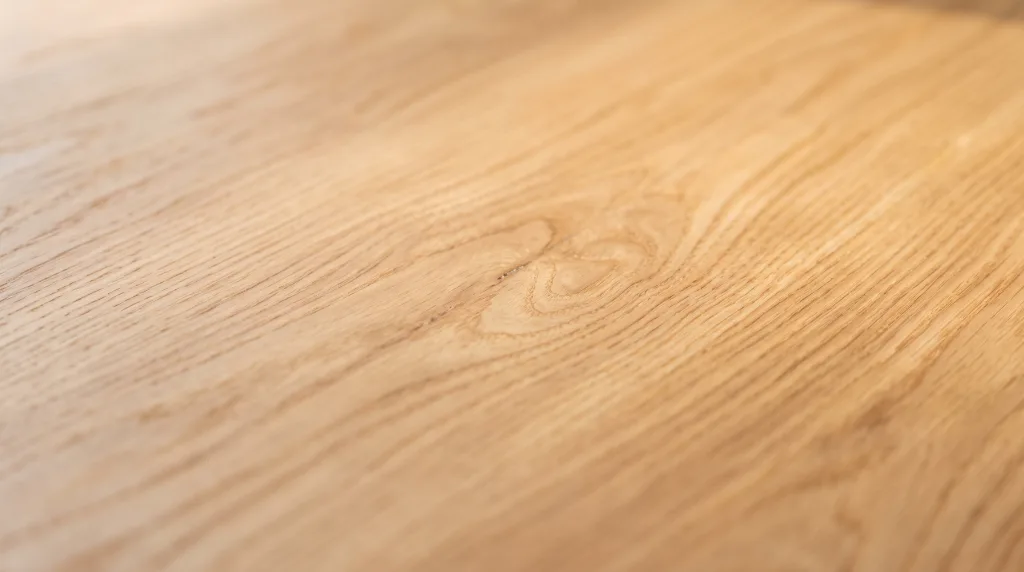
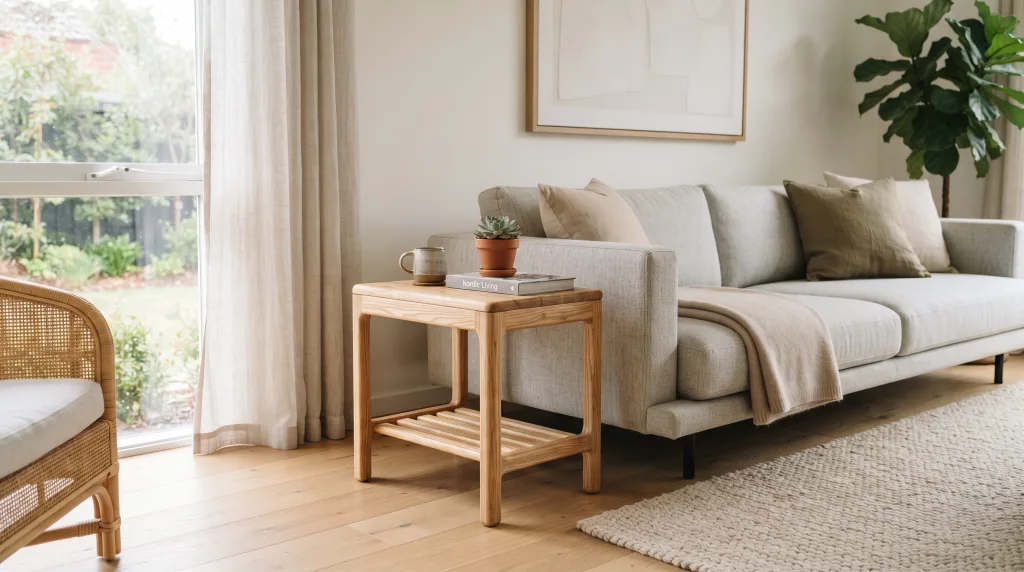
Freshly machined sungkai is a light yellowish-brown with occasional darker streaks. The grain is typically straight to slightly interlocked, with a fine to moderately fine texture. Under a clear finish it brightens a room — one reason it is popular for Scandinavian and minimalist-style furniture. The pale tone also takes solid color finishes well, so you can visually “upgrade” it to match darker design palettes.
Sungkai Wood Properties
The short version: sungkai is light, workable, and affordable — but it is not a substitute for teak outdoors. That distinction matters more than any single number, so let us break it down.
Density & weight
Sungkai is a low- to medium-density hardwood. Furniture made from it is noticeably lighter than equivalent teak or mahogany pieces — a genuine advantage for shipping costs, stackable programs, and chairs that get moved around in hospitality settings. When your importer quotes freight by weight, sungkai’s lightness works in your favor.
Durability
This is where honesty matters. Sungkai is rated at durability class III–IV in the Indonesian grading system, and international references such as the ITTO Tropical Timber database describe it as moderately durable. Translation: it is fine for indoor furniture with proper kiln drying and finishing, but it is NOT weather-resistant. In direct contact with moisture and ground conditions it degrades far faster than teak. We avoid exposing sungkai to rain and direct sun — full stop. For procurement teams comparing suppliers, that class rating is the fastest way to benchmark sungkai wood durability side by side with other species — no marketing language required.
Workability
Sungkai machines cleanly, sands predictably, and holds screws well for a wood in its weight class. Carvers and chair-frame makers like it because it does not blunt tooling the way dense hardwoods do. For a manufacturer, that translates to consistent joinery tolerances and predictable production.
Finishing
The wood takes both transparent and solid-color finishes well. Because the pores are open, a PU or NC coating system with pore filler gives an even surface; an open-pore finish highlights the grain. This flexibility is why sungkai shows up in everything from dining chairs to decorative mouldings — the raw material adapts to the designer’s brief, not the other way around. Solid-color finishes are a particularly effective way to control color consistency across a large production run, which matters when you are commissioning hundreds of identical pieces.
Sungkai vs Other Indonesian Woods
The table below compares sungkai against the materials we work with most in our Central Java workshops: teak, mindi, and mahogany. Use it as a fast filter, then read the detail sections for the nuance.
| Property | Sungkai | Teak | Mindi | Mahogany |
|---|---|---|---|---|
| Density | Low–medium (light) | High | Medium | Medium–high |
| Durability class | III–IV | I–II | III | II–III |
| Outdoor suitability | ❌ No | ✅ Yes (best) | ❌ No | ⚠️ Only with heavy protection |
| Workability | Excellent | Good | Excellent | Good |
| Tone / appearance | Light yellowish-brown | Golden brown, rich grain | Pale cream to light brown | Reddish-brown, classic |
| Price positioning | Budget tier | Premium | Mid tier | Mid–high tier |
| Best fit | Indoor budget & volume furniture | Outdoor + long-life pieces | Indoor mid-range furniture | Frames, classic joinery |
Two honest notes from the factory floor. First, outdoor suitability is not negotiable for us: teak leads for exterior use, while sungkai and mindi stay indoors — you can compare it to teak, mindi & mahogany in our wood guide for the full breakdown. Second, mindi and sungkai are occasionally confused in the trade because both are affordable Indonesian hardwoods; in practice, sungkai behaves differently from mindi — read its durability profile if you are choosing between them.
Best Uses for Sungkai
Indoor furniture
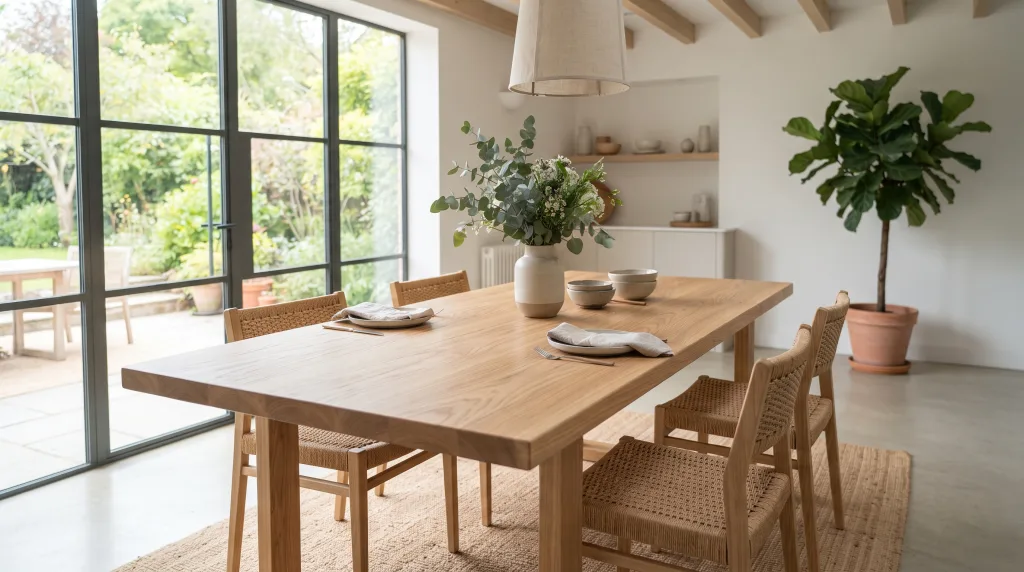
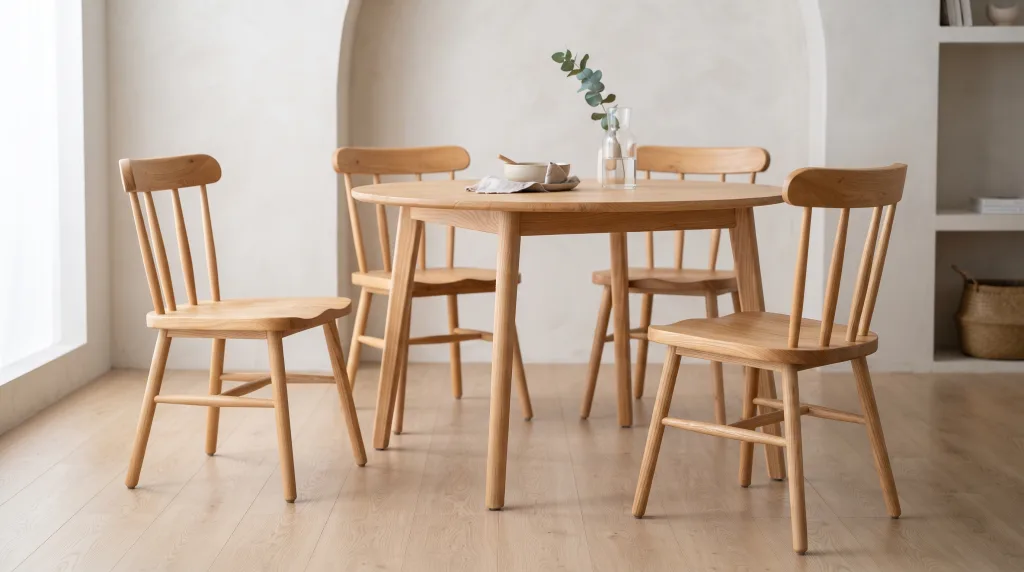
Sungkai’s sweet spot is indoor furniture: dining chairs, side tables, bed frames, shelving, and cabinet carcasses. When buyers ask about sungkai wood furniture, the first question is always where it can and cannot go — the answer is simple: indoors, in rooms with normal living humidity. The lightness makes chairs easy to handle, and the pale grain suits contemporary and Scandinavian interiors that lean on light wood tones. For volume residential programs, it lets importers hit a low price point without abandoning solid-wood construction. Sungkai flooring is also a recognised use in Indonesia’s interior market, though our production focus is furniture-grade sungkai components rather than flooring strips.
Budget & custom projects
When a buyer’s priority is cost and a clean finish, sungkai is one of the friendliest options we work with. We have built sungkai furniture for buyers who requested it — from budget residential runs to custom contract pieces — and the material behaves predictably when it is specified correctly from the start. For custom projects, tell us your specs and we can confirm joinery, finishing, and packaging details against the design.
What to avoid (outdoor)
Do not use sungkai outdoors. It lacks the natural oil resistance of teak: in rain, humidity, and direct sun, the wood will absorb moisture, check, and attract fungal attack much sooner than proper outdoor species. Even a covered terrace is a risk for pieces that will see weather over years. If your project demands outdoor furniture, the honest manufacturer answer is teak — see why teak leads for durability in our dedicated breakdown. (Suar, by comparison, only suits a covered terrace — it is semi-outdoor at best.)
Sungkai vs Teak — 3 Minutes
Price
Sungkai sits in the affordable tier of Indonesian hardwoods — a friendlier price point than teak, which is the premium end of the market. (As with all our wood furniture, pricing reflects the design, finishing, and quantity, not just the species. Prices can change, and raw wood price is never the same as finished furniture price.) If you are running a cost-sensitive project, sungkai offers the look of solid wood at a significantly lower outlay.
Durability
Teak wins, clearly. Its high natural oil content and durability class I–II make it the standard for long-life and outdoor furniture, indoors or out. Sungkai, at class III–IV, is a domestic durability — excellent indoors, out of its depth outside. Buyers who optimize for lifespan and resale value should pay the teak premium; buyers who optimize for budget on indoor pieces can allocate savings to better finishing instead. In practice, most of our sungkai orders are indoor residential and light hospitality programs where the client cares more about first-year aesthetics and delivered cost than forty-year lifespan.
When to choose which
Choose teak when the furniture will face sun, rain, or decades of heavy commercial use. Choose sungkai when you need solid-wood quality at a budget-friendly price for indoor volume programs — then spend the saving on kiln-dried stock, proper joinery, and a quality finish. Choosing an Indonesian hardwood is also a chair-frame decision: how material choice affects chair design changes the engineering, not just the look.
Sourcing & Grading Quality
What to check
The grade letters A/B/C you hear in the teak trade do not transfer to sungkai the same way. For sungkai, the practical quality drivers are physical: dried moisture content, dimension accuracy, visible defects (knots, checks, sapwood), and color consistency across the run. Ask your supplier how the boards are sorted and whether the cut is uniform. Indonesian hardwood grading (teak A/B/C vs others) is covered in our manufacturer guide if you need the full framework.
Moisture content
Kiln drying is non-negotiable. Insist on kiln-dried sungkai at moisture content around 8–12%, matched to your destination climate, before machining or finishing. Properly dried sungkai stays stable in interiors; wet or air-dried stock will move, twist, and crack after it reaches your market. We kiln-dry all sungkai components before they leave the workshop, and we record the moisture reading per batch so buyers can audit the spec on arrival.
One sourcing reality worth flagging: sungkai is not commissioned as often as teak, so production is request-driven. A serious supplier can scale a custom run — from a single container of dining chairs to a full hospitality package — but only when the material is specified in advance. Volume buyers should lock the grade expectations, moisture target, and finish system into the order confirmation before the saw touches the first board. That habit prevents more disputes than any other step in the process.
What the Online Advice Gets Wrong
A quick word on internet claims, because sungkai attracts more than its share. Some popular blogs describe sungkai as “resistant to decay, rot, and insect infestations.” The technical record does not support that for outdoor or ground-contact use: at durability class III–IV and “moderately durable” per ITTO, sungkai is a solid indoor wood, not a weatherproof one. Overstating it sets buyers up for failure in their first rainy season — and that is exactly the kind of mistake that makes importers avoid an otherwise useful material.
The same caution applies to price claims. You will find articles quoting specific sungkai prices per cubic meter; those figures drift with the market and miss the point entirely. What determines your landed cost is the finished design, the finishing system, the MOQ, and the container loading — not a commodity board price. Treat any fixed-price lesson on sungkai with skepticism, and ask suppliers for like-for-like quotations instead.
Finally, watch for the “sungkai is just like teak” shortcut. Both grow in Indonesia and both carry attractive grain, but their engineering lives are different: teak is built to face weather, sungkai is built to face living rooms. When a supplier cannot articulate that difference, keep shopping.
FAQ
Is sungkai good for furniture?
Yes — for indoor furniture. Sungkai wood is light, stable when kiln-dried, and easy to machine and finish, which makes it a reliable choice for dining chairs, tables, bed frames, and shelving. It is not suitable for outdoor use, so keep sungkai furniture protected from rain and direct sun.
Is sungkai wood durable?
Sungkai is moderately durable for indoor applications (durability class III–IV). With kiln drying at 8–12% moisture content and a proper finish, sungkai furniture performs well indoors for years. It is not weather-resistant, so it should never be specified for outdoor furniture.
Is sungkai harder than teak?
No. Teak is denser and the harder-wearing wood overall, with naturally higher oil content and durability class I–II. Sungkai is lighter and easier to work, which lowers production cost — but it trades away outdoor longevity.
Does sungkai last outdoors?
No. Sungkai absorbs moisture and degrades in rain, humidity, and direct sun far faster than teak. For outdoor furniture, specify a genuinely outdoor-rated species — teak is the proven choice for Indonesia-origin furniture.
Is sungkai furniture cheap?
Sungkai generally sits in the affordable tier of Indonesian hardwoods — less expensive than teak. Final pricing, however, depends on the design, finishing system, and order quantity, not the species alone, so compare quotes on a like-for-like specification.